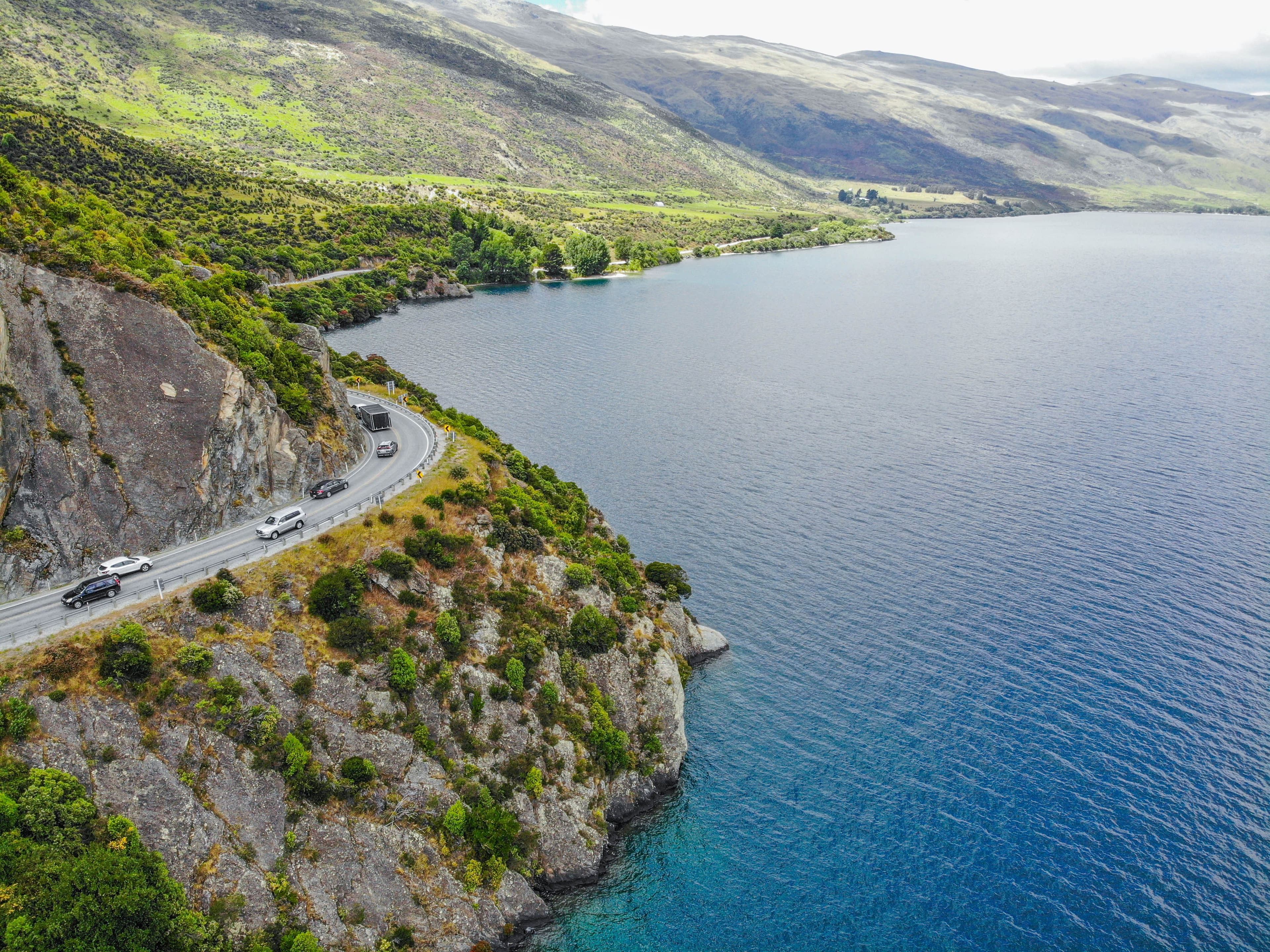
You may see a road to a lot on a map. But can you drive on it? Do you have the right to cross the land it uses? Those are two different questions. Get proof of both before you count on that road.
1. Trace the road to the lot
Start at the lot. Follow the whole road back to a public street. County maps and aerial photos can help you see the path. They cannot prove who has the right to use it.
What to do
- Save the map link and the date it was made.
- Mark each place the road crosses someone else's land.
- Look for gates, steep spots and stream crossings.
Before you buy: If the path stops or crosses land you do not own, access still needs proof.
2. Find out if the road is public
A lot may touch a road on a map. That does not mean the road is public. The road may sit on private land or inside a right-of-way with special rules.
What to do
- Ask the county road office if the road is public and who keeps it up.
- Compare county maps with any filed plat or deed.
- Check where the lot meets the road and where entry is allowed.
Before you buy: A road name on a map does not prove the county owns or keeps up the road.
3. Ask for the recorded easement
An easement is a legal right to use part of someone else's land. If the road crosses a neighbor's lot, ask for the recorded document. It should show which land has the right, where the path runs and how it can be used.
What to do
- Get the deed, plat or easement from the county recorder.
- Match the document to the lot and the road you plan to use.
- Ask a title expert or lawyer if the terms are unclear.
Before you buy: A seller saying the road is fine does not prove a legal right to use it.
4. Check what the road rights allow
The right to walk or drive across a lot may have limits. It may not allow heavy trucks, new power lines or a new road. Gates, road work and upkeep may have rules too.
What to do
- Check if the easement lists allowed vehicles and uses.
- Ask who pays to fix the road and who can lock gates.
- Check if you can add power lines or other work when needed.
Before you buy: Do not assume a right to pass means a right to build, grade or add utilities.
5. Check if you can use the road
Even with a deed, a road may be too steep or washed out to drive. A gate or deep wash may block it. Road rights and road condition are not the same thing.
What to do
- Look for gates, mud, washes and narrow spots.
- Visit the land when safe or ask for a local site check.
- Get road repair costs and find out if permits are needed.
Before you buy: A satellite photo cannot tell you if a road is open all year.
6. Check missing or mixed-up records
One map may show one road while the deed shows another. Some old records are hard to find. Write down what does not match instead of guessing.
What to do
- List every missing document and map conflict.
- Ask the seller for deeds, plats or past surveys.
- Ask a title expert or lawyer what more you need to check.
Before you buy: A missing easement in your search does not prove one exists or does not exist.
7. Say what you know about access
Keep the result clear. Did the county confirm a public road? Did you find and review a recorded easement? Did you only see a track on a map? These do not mean the same thing.
What to do
- Save the document number and the source date.
- List road problems and cost questions on their own.
- Check access again before closing if new facts come up.
Before you buy: If access is still unknown, keep it open. Do not mark it as cleared.
Start with trusted sources
These maps can help you start. Some data may be old or missing. Check the right parcel and ask the local office before you rely on it.
- USGS The National Map Viewer See roads and hills. Maps do not prove legal road rights.
- USDA NRCS Web Soil Survey See soil types that may affect road work.
Land Ops Desk is not a law firm, title insurer, surveyor, engineer or government agency. Maps and public records can be wrong or out of date. Ask the right expert before you make a big decision.
Know the facts. Then choose your next step.
Maps can show you a road. Only the right records and, when needed, a title expert can help prove your right to use it. Know what is still unknown before you buy.